

In 2024, Airbnb banned indoor security cameras across every listing worldwide, closing a loophole that previously allowed disclosed cameras in shared spaces. The policy change underscores just how significant a privacy concern hidden cameras pose for travelers. However, policy changes do not automatically guarantee compliance. Rules only work when hosts follow them, and the hosts most likely to hide a camera are the least likely to follow the rules. That makes it essential for guests to take proactive measures to protect their privacy.
At Privin, we specialize in surveillance and professional investigations, and our private investigators in Miami have helped many clients uncover hidden cameras in their rental properties.
In this article, we’ll share expert insights on how to find hidden cameras in your Airbnb, drawing on our extensive experience, including cases from Miami. By understanding where to look, what tools can aid your search, and what your rights are if you find something, you can protect your privacy and enjoy a worry-free stay.
What Airbnb’s Indoor Camera Ban Actually Covers
Before you start sweeping the room, it helps to know exactly what is and isn’t allowed, because any indoor camera you find is now a violation by definition.
Under Airbnb’s current policy, which took effect on April 30, 2024:
- No indoor cameras, period. Hosts cannot have cameras or recording devices monitoring any interior space, including hallways, living rooms, bedrooms, bathrooms, and guest houses, even if the device is switched off or disconnected.
- Hidden cameras were always banned and remain strictly prohibited.
- Outdoor cameras are permitted only with disclosure. Hosts must disclose the presence and general location of exterior cameras (such as doorbell cameras) before you book, and these cannot point into indoor spaces or private outdoor areas like enclosed showers or saunas.
- Noise decibel monitors are allowed in common areas only, must be disclosed, and can only measure volume. They cannot record or transmit audio.
The practical takeaway for guests is simple: there is no legitimate reason for any camera to be inside your rental. If you find one, disclosed or not, the host is breaking the rules.
How Common Are Hidden Cameras in Vacation Rentals?
More common than most travelers would like to believe. Research on the subject paints a consistent picture:
- A 2025 study found that 58% of Americans worry about hidden cameras in rentals, and nearly two-thirds admit they don’t know how to detect one.
- The same research found that a majority of surveyed hosts admitted to still using indoor cameras despite the platform ban.
- A 2024 Vivint , found that roughly 1 in 12 rental owners were ignoring the indoor camera rule, and that 75% of guests now check for cameras on arrival.
- A CNN investigation published in July 2024 revealed that Airbnb logged roughly 35,000 customer support tickets relating to surveillance devices over a single decade.
The odds on any individual stay are still in your favor. But the check takes five minutes, costs nothing, and the downside of skipping it is severe. As professional investigators, we treat every space as unswept until proven otherwise, and we recommend guests adopt the same mindset.
Step 1: Visual Inspection
Start with a thorough visual inspection of the property. Look for out-of-place objects or items that seem unusual. Prioritize anything with a direct line of sight to the bed, bathroom, or changing areas, because that is where a camera placed with bad intent will be aimed.
Pay special attention to the following areas:
- Smoke detectors: These are often tampered with due to their high vantage points and ability to provide a wide field of view.
- Clocks: Wall clocks and alarm clocks are prime candidates for hidden cameras due to their inconspicuous nature.
- Air vents: Vents are often overlooked but can house small cameras.
- Electrical outlets: Be wary of outlets that look different from the others, appear tampered with, or chargers left plugged in facing the bed. Camera-equipped chargers are among the most common devices recovered in real cases.
- Decorative items: Picture frames, stuffed animals, tissue boxes, air purifiers, and other decorations can conceal small cameras.
Step 2: Use Technology
Conducting a thorough physical inspection of your vacation rental for hidden cameras is a critical step in ensuring your privacy. Here are some effective techniques to help you spot any hidden devices:
- Use Flashlight to Detect Camera: The lenses of hidden cameras often reflect light. Turn off the lights in the room and shine a flashlight around the area. Pay close attention to any small, unexpected reflections that could indicate the presence of a camera lens. Slowly scan all surfaces and objects, especially those that are directly facing the bed, living areas, or other private spaces.
- Scan the Wi-Fi Network: Many hidden cameras stream footage over the property’s Wi-Fi. Free network scanning apps can list every device connected to the network you’re on. Look for device names containing “cam,” “IP camera,” or known camera brand names, as well as unidentified devices with no obvious purpose. This won’t catch cameras recording to a local memory card, but it’s a fast, effective first pass.
- Check Mirrors for Two-Way Glass: A simple test to determine if a mirror is two-way is to place your fingertip on the mirror. In a normal mirror, there should be a noticeable gap between your finger and its reflection. If your finger and the reflection touch tip to tip, there might be a chance that it is two-way glass, which could potentially hide a camera.
- Physical Inspection of Objects and Fixtures: Carefully examine everyday items like smoke detectors, air conditioners, clocks, and electronic devices. Look for any unusual holes, misplaced wires, or anything else that seems out of the ordinary. It’s also worth checking vents and decorative items that could easily obscure a small camera.
- Examine the Environment: Be mindful of any objects that are positioned in unusual places or angles that seem to face common areas or private spaces strategically. Move items around and check behind them. Sometimes, cameras are hidden in places you might initially overlook, such as plants, curtain rods, or even inside light sockets.
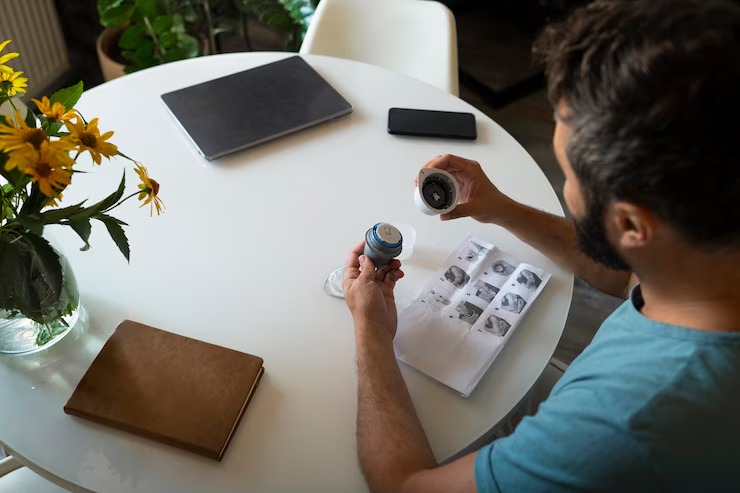
Several apps and gadgets can help detect hidden cameras. Tools such as infrared camera detectors and RF (radio frequency) detectors can be useful. Many smartphones also have apps that can identify hidden cameras by detecting reflections from the camera lens or infrared light invisible to the naked eye.
Step 3: Professional Help
If you suspect a hidden camera but can’t find it, consider hiring a professional. Our private investigators at Privin use advanced tools and techniques to uncover hidden devices. For example, a client staying in an Airbnb in Miami reached out to us after suspecting surveillance. Our private investigators in Miami conducted a thorough sweep and located several hidden cameras, ensuring the client’s privacy and peace of mind.
Your Five-Minute Arrival Checklist
You don’t need specialist equipment or an hour of your vacation. Run through this quick sequence when you first walk in, before you unpack:
- Scan sightlines first. Stand where you’d be most exposed (the bed, the shower entrance) and note every object with a view of that spot.
- Lights off, flashlight on. Sweep those objects for lens glint.
- Check the network. Connect to the Wi-Fi and run a device scan.
- Test the mirrors. Fingertip test on any mirror in the bedroom or bathroom.
- Inspect the obvious suspects. Smoke detector, alarm clock, chargers, vents, anything electronic and pointed at you.
If everything comes back clean, unpack and enjoy your stay. If anything feels wrong and you can’t resolve it, escalate.
Tools and Techniques Used by Private Investigators
Private investigators use specialized equipment that can be more effective than DIY methods. These tools include:
- Advanced infrared and RF detectors: These devices can pick up on the electromagnetic signals emitted by wireless cameras.
- Non-linear junction detectors: These are used to identify electronic components hidden in walls or objects.
- Thermal imaging cameras: These can detect the slight heat signature emitted by electronic devices, even through walls.
These devices can detect hidden cameras that might be missed during a visual inspection or when using standard consumer gadgets. Professional investigators are also trained to recognize signs of tampering or installation that the average person might overlook. In independent testing referenced by industry researchers, even trained professionals with specialist equipment miss a share of well-hidden devices, which is exactly why a layered approach (visual, technical, and professional) offers the best protection.
What to Do if You Find a Hidden Camera in Your Rental?
If you find a hidden camera in your Airbnb, it’s essential to know your rights. Here are the steps you should take:
-
- Do not touch or unplug the device. It may be evidence in a criminal investigation, and tampering with it can complicate matters later. Leave it exactly as you found it.
- Document the camera’s location: Take photos or videos of the hidden camera and its surroundings. This documentation will be crucial if you need to take legal action.
- Communicate through the platform, not the host: Message Airbnb support directly rather than confronting the host, so there is a written record and the host has no early warning to destroy evidence.
-
- Contact Airbnb: Report the issue immediately to Airbnb’s customer service. They have protocols in place for dealing with such situations and can assist you in relocating or obtaining a refund. Under Airbnb’s rules, violations can lead to listing removal and host bans.
-
- File a police report: Ensure the matter is formally documented by local authorities. This can be important for legal proceedings and can help prevent future incidents. As CNN’s reporting highlighted, platforms do not always notify law enforcement themselves, so this step should never be skipped.
- Relocate if you feel unsafe: You are under no obligation to remain in the property. Airbnb’s support process can assist with rebooking or refunds.
Understanding your legal rights can help protect you and potentially prevent future incidents. It’s important to remember that installing hidden cameras in areas where people have a reasonable expectation of privacy, such as bedrooms and bathrooms, is illegal in most jurisdictions. In the United States, this conduct typically falls under state video voyeurism or invasive visual recording statutes, and can carry criminal penalties as well as exposure to civil lawsuits. Recent cases covered by national news outlets, including NBC News and NPR, have shown courts and platforms taking these violations increasingly seriously, with substantial jury verdicts awarded to victims of covert recording.
Beyond the criminal dimension, victims may have grounds for civil claims against the host, and in some circumstances the documentation you gather at the scene becomes the foundation of that case. This is another reason to photograph everything and involve police early.
For those staying in Miami or similar metropolitan areas, consider the services of Miami private investigators if you have ongoing concerns about surveillance.
Does This Apply to Hotels and Other Rentals Too?
Yes. While Airbnb’s ban applies to its own platform, other major booking platforms operate similar prohibitions on indoor cameras, and the detection techniques in this guide work identically in hotel rooms, Vrbo properties, serviced apartments, and long-term rentals. Hotels are subject to more regulatory oversight and routine staff access than private rentals, which lowers the risk somewhat, but incidents have occurred in every accommodation category. The five-minute checklist above is worth running wherever you sleep somewhere new.
Conclusion
Hidden cameras in rental properties are a serious privacy concern. By conducting thorough inspections, using technology, and seeking professional help, you can protect your privacy. Whether you are staying in Miami or elsewhere, if you ever feel uncertain or need expert assistance, don’t hesitate to contact us at Privin for immediate help.
If you suspect hidden cameras in your Airbnb or any rental property, reach out to Privin for professional help. Our experienced private investigators, including our team in Miami, are equipped with the skills and tools to ensure your privacy and peace of mind. Learn more about our services and how we can assist you in protecting your privacy. Contact us today to learn more about our services.
FAQs: Detecting Hidden Cameras in Your Airbnb
1. Are cameras allowed inside Airbnb rentals at all?
No. Since April 30, 2024, Airbnb prohibits all indoor security cameras and recording devices in every listing worldwide, even if switched off and even in shared spaces. Only disclosed outdoor cameras and disclosed noise decibel monitors in common areas are permitted. Any camera you find inside the property is a policy violation.
2. What are common hiding spots for hidden cameras in Airbnb rentals?
Hidden cameras are often concealed in smoke detectors, clocks, air vents, electrical outlets, and decorative items like picture frames or stuffed animals. These locations provide discreet vantage points for surveillance.
3. How can I use a flashlight to detect hidden cameras?
Turn off the lights and shine a flashlight around the room. Look for small, unexpected reflections that may indicate a camera lens. This method helps reveal hidden devices by highlighting reflective surfaces.
4. What is the two-way mirror test for detecting hidden cameras?
Place your fingertip on a mirror. If there’s no gap between your finger and its reflection, the mirror may be two-way glass, potentially concealing a camera. This simple test can help identify hidden surveillance.
5. How can I detect hidden cameras using technology?
Use RF (radio frequency) detectors to scan for signals emitted by wireless cameras. Additionally, smartphone apps can detect infrared light or Bluetooth signals from hidden devices, aiding in identifying unauthorized surveillance equipment.
6. What should I do first if I find a hidden camera?
Don’t touch the device. Document it with photos and video, report it to Airbnb through the platform so there’s a written record, and file a police report. Covert recording in private spaces is illegal in most jurisdictions, and preserving the evidence intact protects any criminal or civil case.
7. When should I consider hiring a professional to sweep for hidden cameras?
If you suspect the presence of hidden cameras but cannot locate them, or if you prefer a thorough inspection, hiring a professional bug sweeping service is advisable. Professionals use advanced tools like non-linear junction detectors and thermal imaging to detect devices that consumer methods miss.