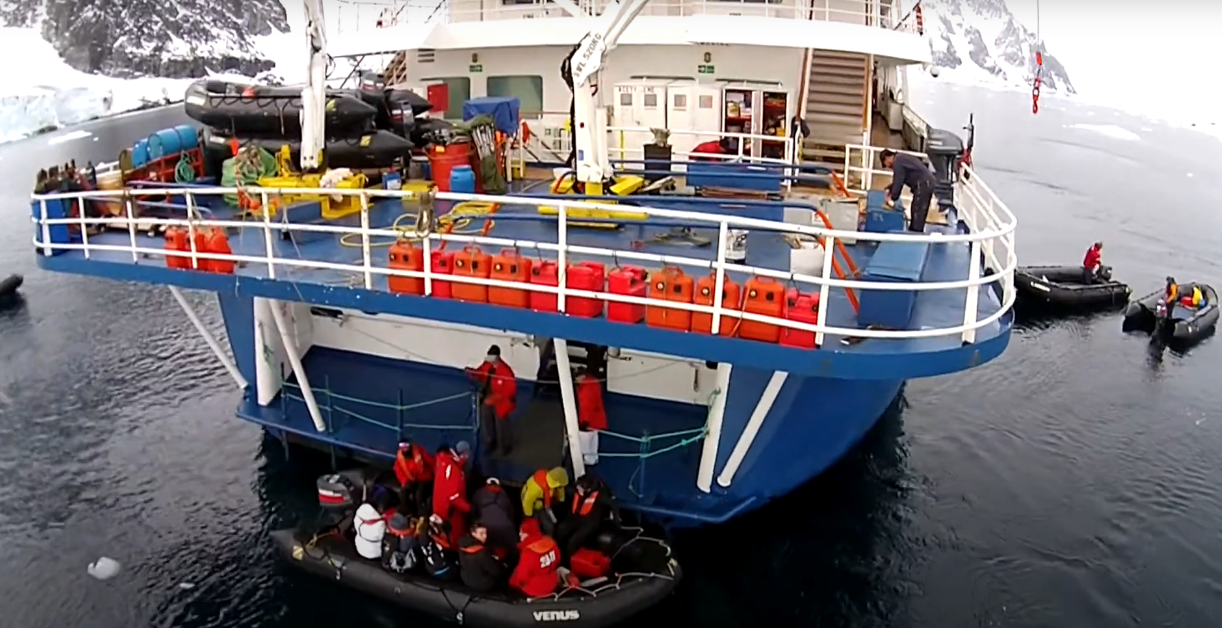
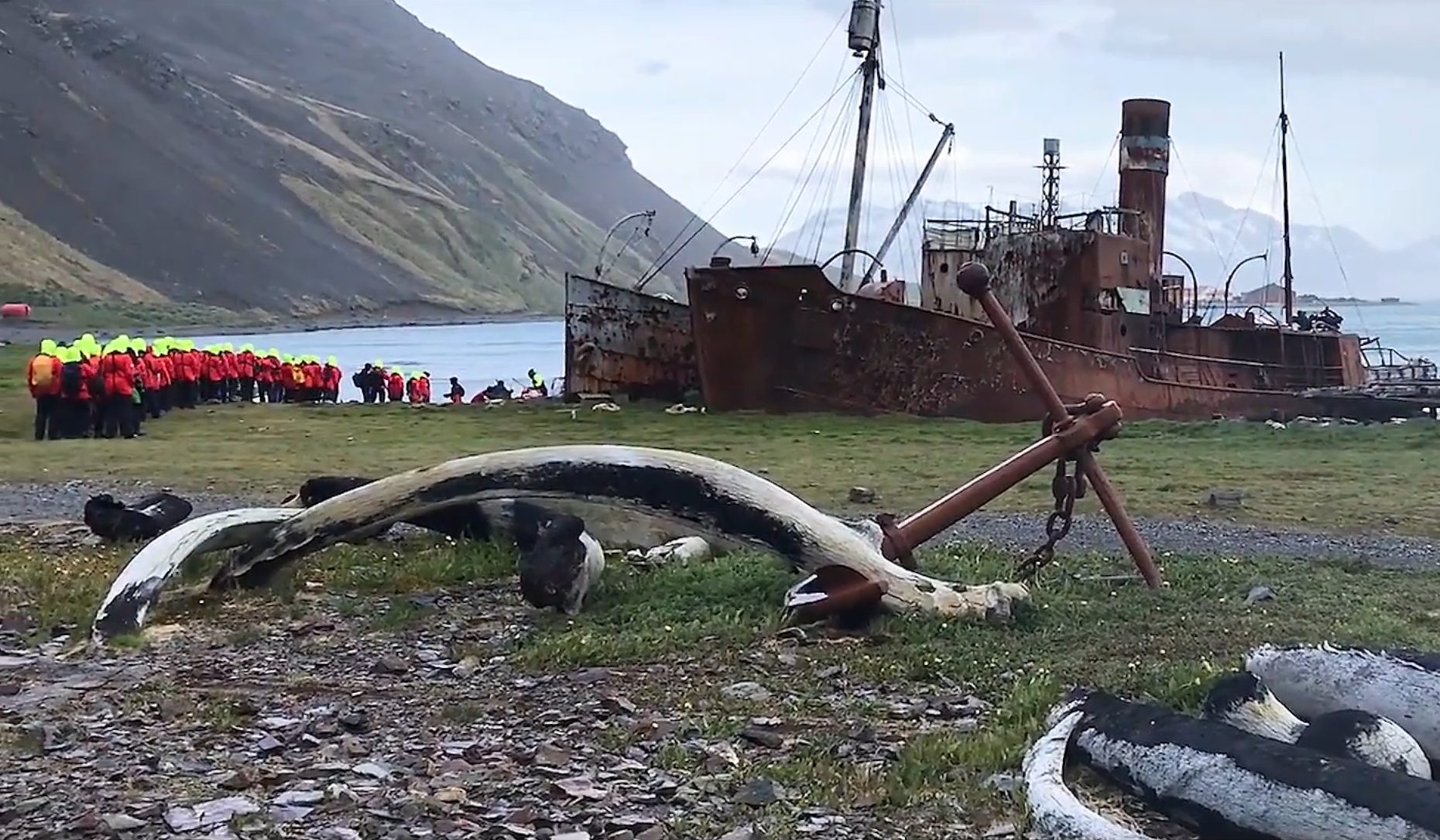
While Antarctica is not associated with high crime rates, documented incidents at research stations over the past five years reveal the necessity for skilled investigative oversight.
In 2023, a serious assault occurred at McMurdo Station involving a male team member, and despite an arrest warrant, he was allowed to continue working in the field. In another case in 2025, a team at South Africa’s SANAE IV base remained isolated together after one member allegedly physically assaulted and threatened another.
These aren’t isolated cases. In a widely publicized event from 2018, a researcher at Bellingshausen Station stabbed a colleague over a dispute about book spoilers highlighting the extreme psychological pressures of living in confined, remote environments.
Antarctica’s lack of centralized law enforcement, combined with its diplomatic governance under the Antarctic Treaty System, means that accountability often depends on an external private entity like Privin Network to document and discreetly handle investigations.
These situations reaffirm why professional, impartial investigative support is critical, especially when internal processes are limited or compromised by location, politics, or crew dynamics.